REBIRTH: THE UNEXPECTED STORY OF JEWISH KRAKÓW
Film in post-production
REBIRTH: THE UNEXPECTED STORY OF JEWISH KRAKÓW is a feature documentary about the revival of Jewish life in Kraków, Poland, seen through the experiences of young Polish citizens who are rediscovering Jewish heritage, identity, and community after generations of silence.
LOGLINE AND SYNOPSIS
THE STORY
BACKGROUND
FILM DESCRIPTION
JEWISH REVIVAL AND CONTEMPORARY ANTISEMITISM
JCC KRAKOW AS A PLACE OF REFUGE
ARTISTIC APPROACH
WHY ME TELLING THIS STORY
AUDIENCE & DISTRIBUTION
WHY THIS FILM IS IMPORTANT
EDUCATIONAL & COMMUNITY ENGAGEMENT
ADVISORY BOARD
PRODUCERS
STATEMENT FROM THE FILMMAKER
ARTICLES
LOGLINE AND SYNOPSIS
REBIRTH: THE UNEXPECTED STORY OF JEWISH KRAKÓW is a character-driven documentary about young Polish Jews rediscovering their identity decades after the Holocaust and the Communist regime virtually destroyed the country’s Jewish population.
At the center of the film is a new generation discovering that an identity their families were forced to hide or abandon can once again become a source of community, culture, spirituality, and belonging.
The revival is taking place against a troubling contemporary reality: antisemitism persists in Poland and has risen dramatically around the world. Jewish communities continue to confront stereotypes, conspiracy theories, Holocaust distortion and denial, nationalist rhetoric, online hate, and hostility toward Jewish identity.
For American Jews whose families originated in Poland and its prewar territories, Kraków represents both a homeland that was lost and the extraordinary possibility that Jewish life can exist there again.
THE STORY
REBIRTH: THE UNEXPECTED STORY OF JEWISH KRAKÓW is a character-driven documentary about young Polish Jews rediscovering their identity decades after the Holocaust and the Communist regime virtually destroyed the country’s Jewish population. At the center of the film is a new generation discovering that an identity their families were forced to hide or abandon can once again become a source of community, culture, spirituality, and belonging.
The revival is taking place against a troubling contemporary reality: antisemitism persists in Poland and has risen dramatically around the world. Jewish communities continue to confront stereotypes, conspiracy theories, Holocaust distortion and denial, nationalist rhetoric, online hate, and hostility toward Jewish identity.
For American Jews whose families originated in Poland and its prewar territories, Kraków represents both a homeland that was lost and the extraordinary possibility that Jewish life can exist there again.
BACKGROUND
Kraków, Poland’s second-largest city, has been an important center of Polish academic and cultural life and of Jewish life since the 12th century. Before World War II, more than 60,000 Jews—approximately one-fourth of Kraków’s population—lived in the city, with at least 90 active synagogues.
After Nazi Germany invaded Poland in 1939, Kraków’s Jewish residents were persecuted, forced into a ghetto, and deported to concentration and extermination camps, including Auschwitz and Bełżec. Approximately three million Polish Jews—more than 90% of Poland’s prewar Jewish population—were murdered during the Holocaust.
Fewer than 6,000 Jews in Kraków were estimated to have survived. Many later left Poland for the United States, Israel, and elsewhere. Others departed because of postwar antisemitism.
In 1968, a state-sponsored antisemitic campaign under Communist rule forced thousands of Polish Jews to leave the country, many stripped of their citizenship. Among those who remained, Jewish children were often raised Catholic or were never told about their family’s Jewish heritage.
The destruction was therefore not only physical. Jewish institutions, traditions, family histories, and identities were also profoundly disrupted.
FILM DESCRIPTION
REBIRTH is a documentary of many personal journeys, combining intimate psychological portraits with fact-finding cinema about the revival of Jewish life in Kraków and its surroundings.
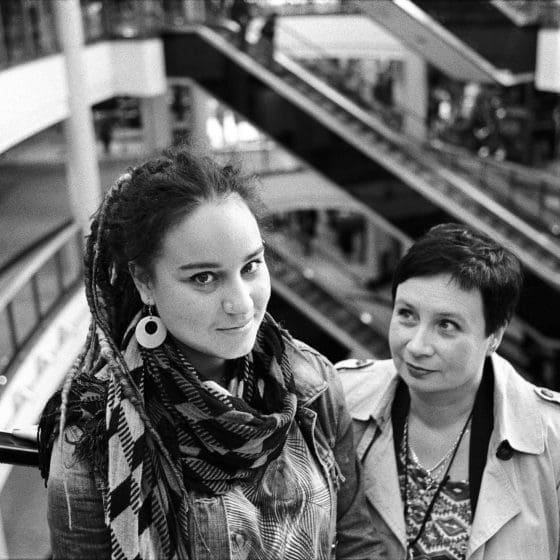
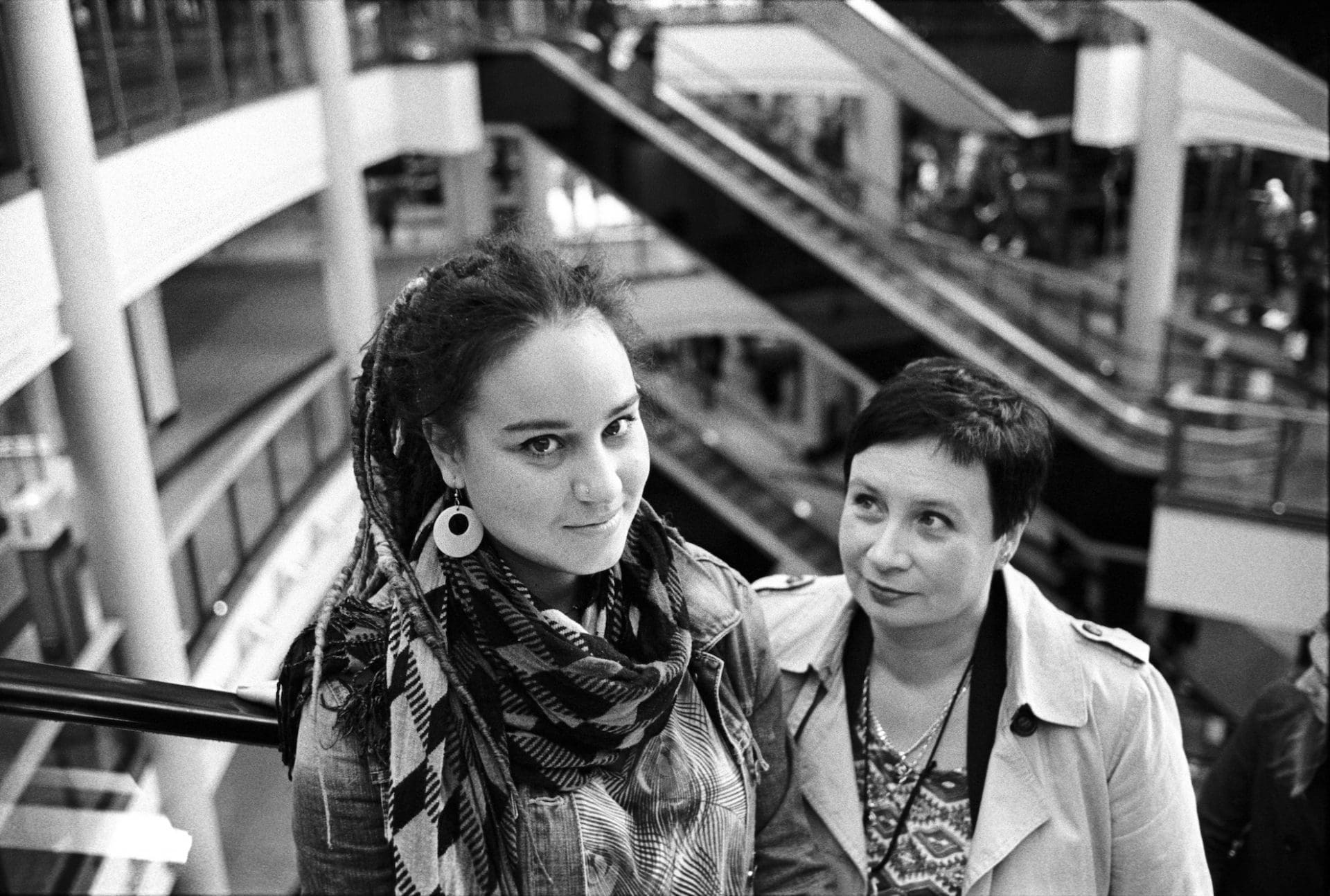
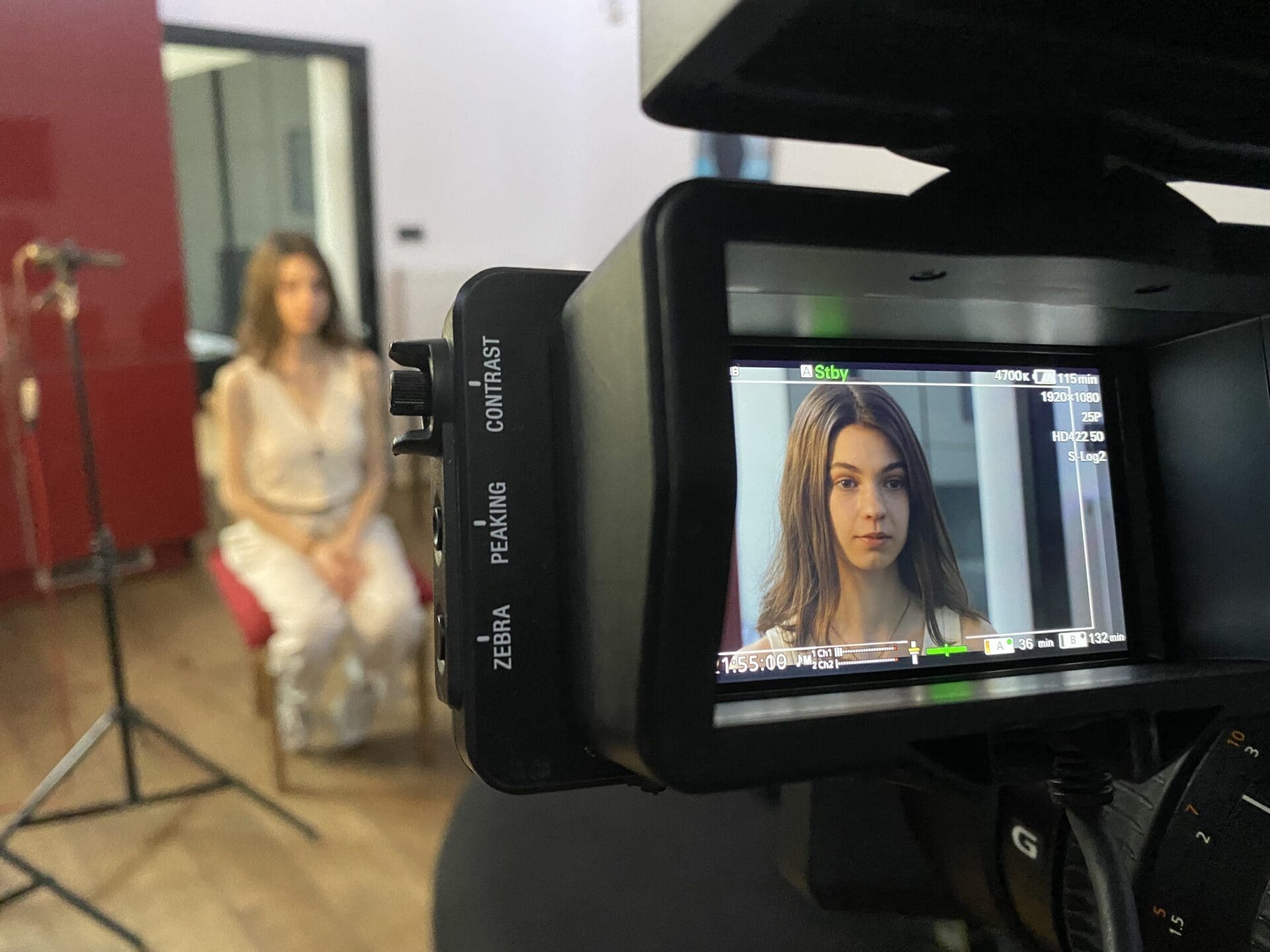
Characters including Zosia, Mateusz, Agi, Kasia, and others share their personal experiences and family stories, while archival material provides the historical context.
Although the film reaches back to 1939, this is not a Holocaust film. It is a contemporary story about people rebuilding Jewish identity, culture, community, and spaces for memory and dialogue.
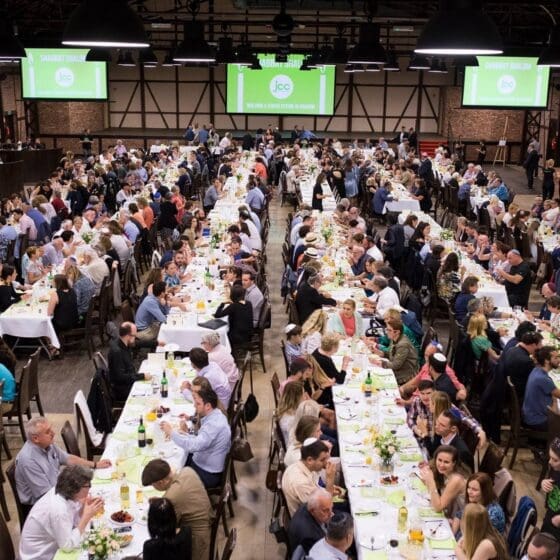
Filmed over seven years, the documentary follows people who have rediscovered their Jewish identity through JCC Kraków and through cultural, religious, and personal experiences.
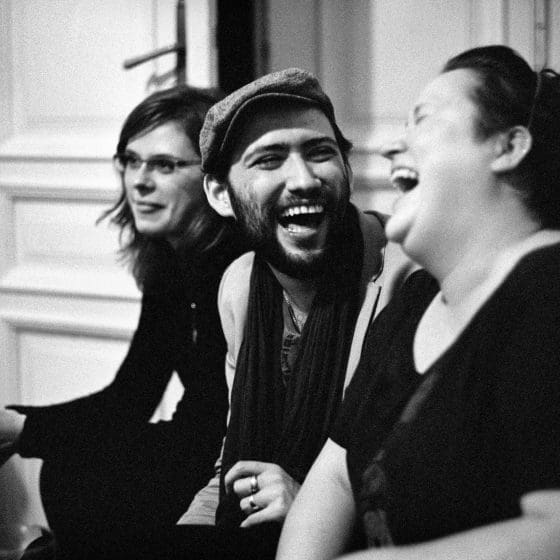
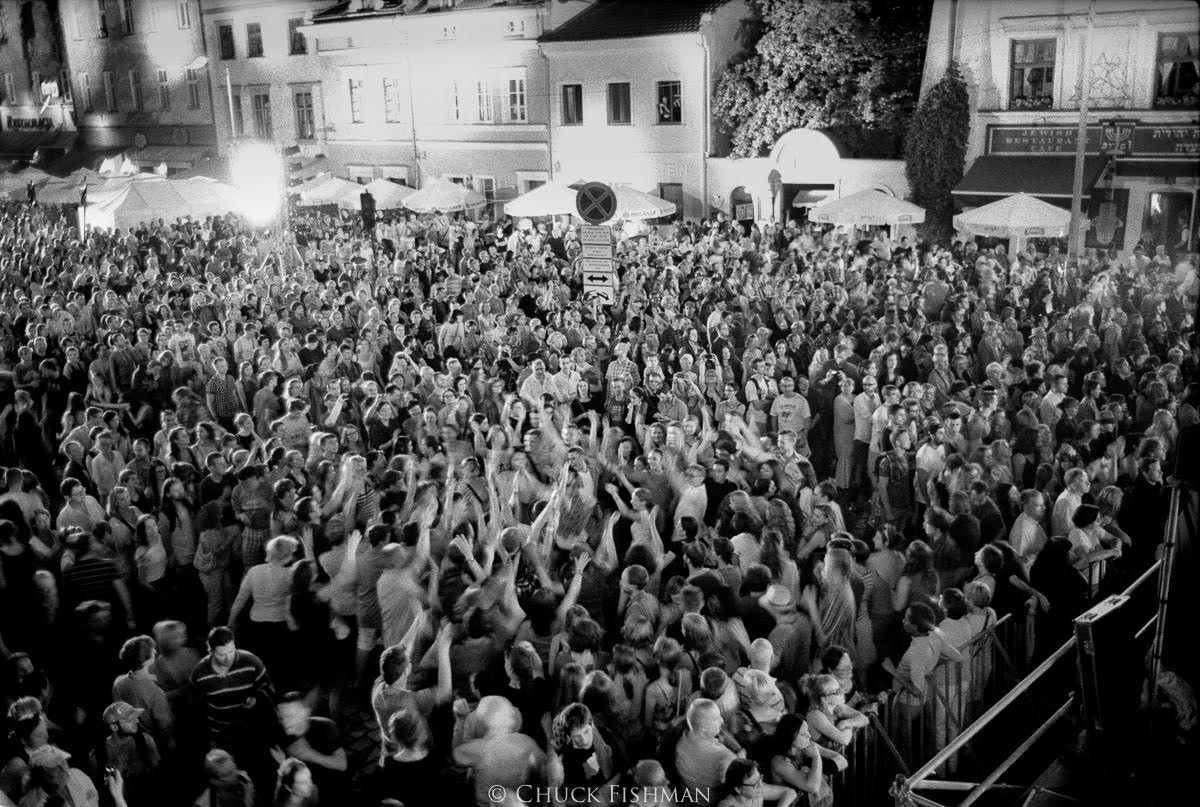
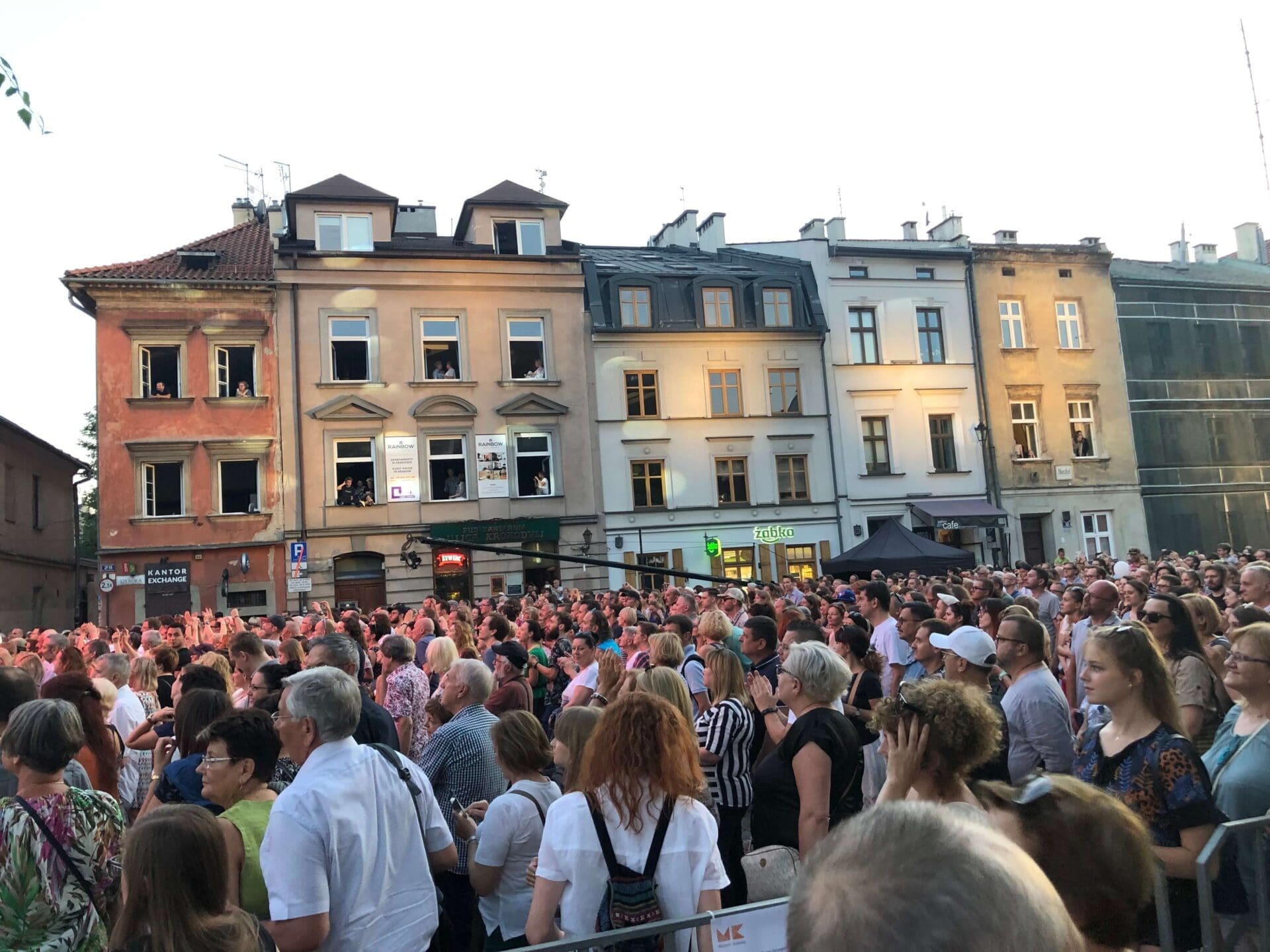
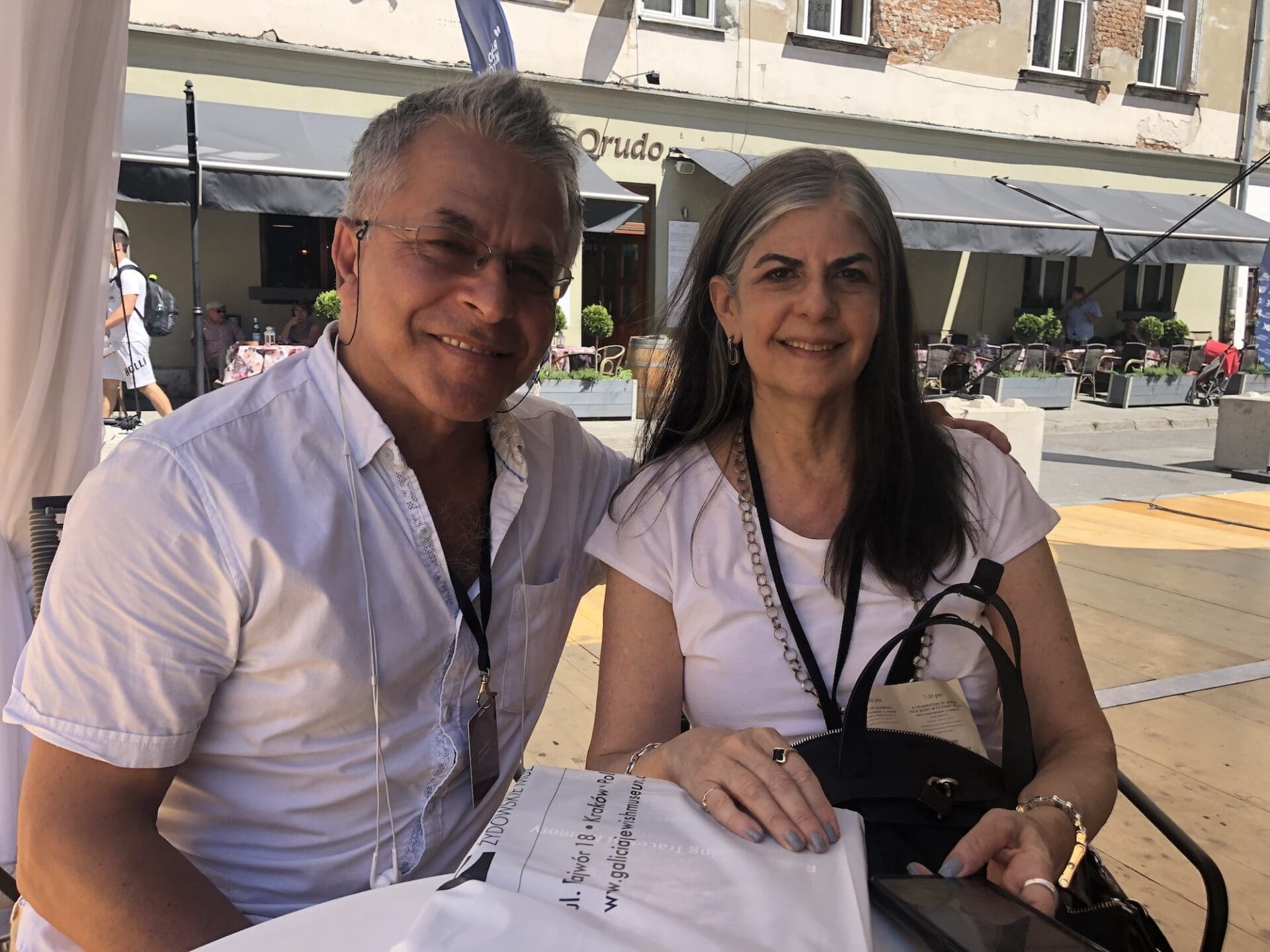
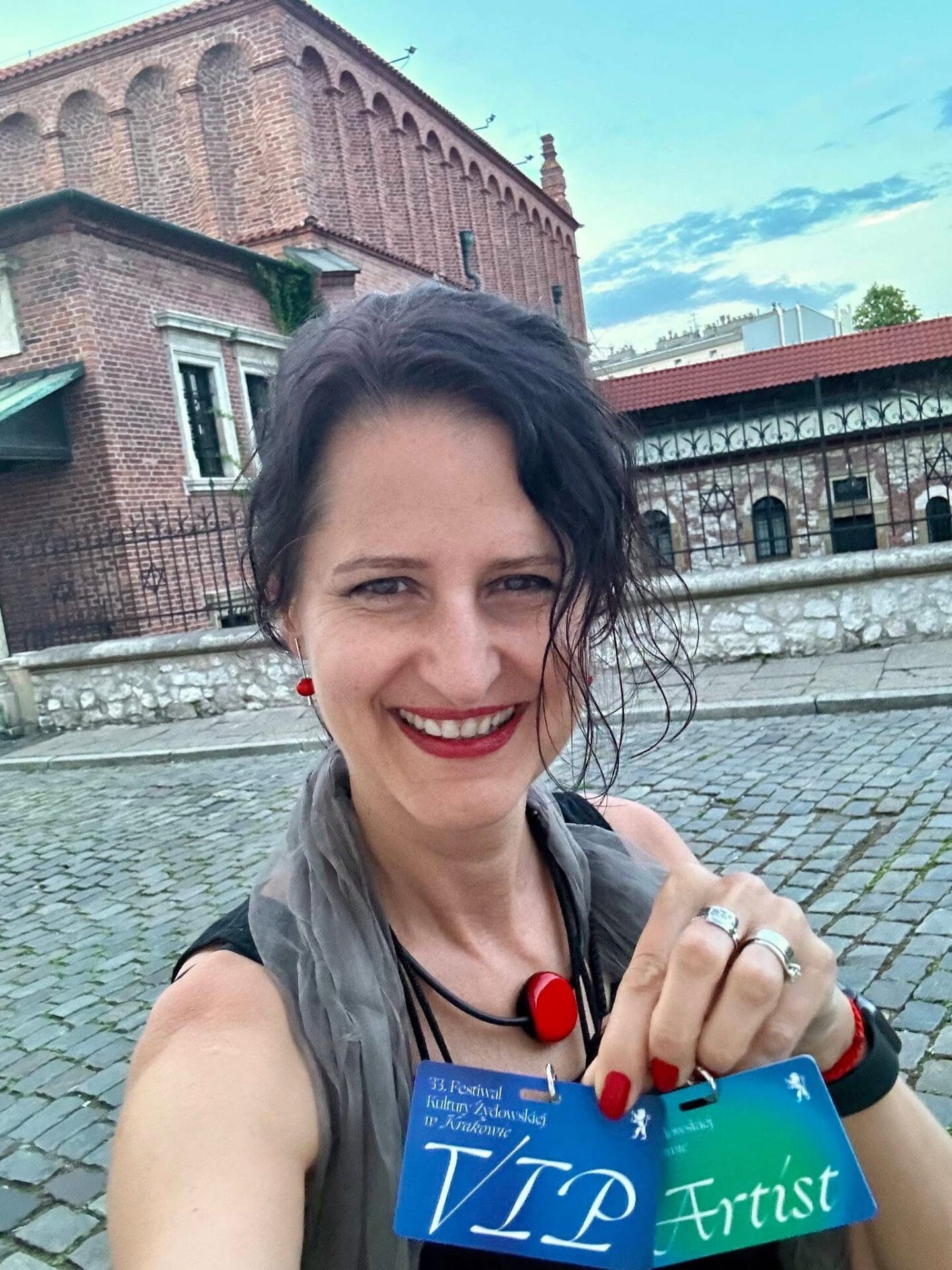
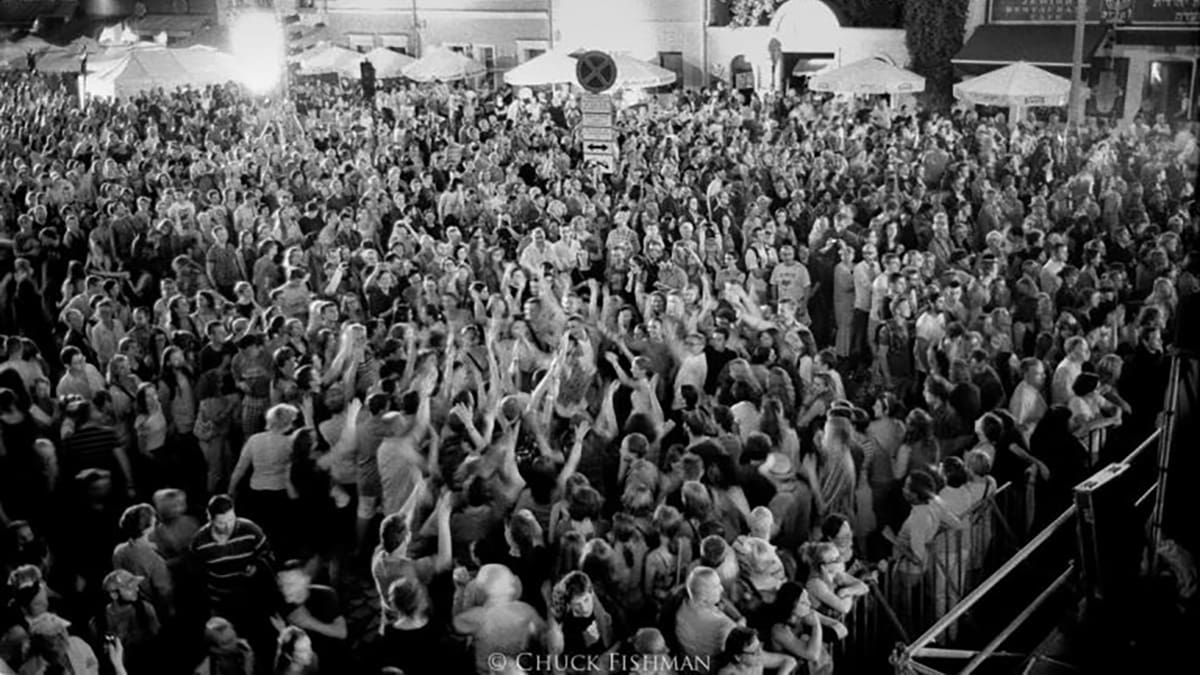
We filmed our characters participating in the Kraków Jewish Culture Festival, one of the world’s most important celebrations of Jewish culture. Founded by non-Jew Janusz Makuch, the festival has welcomed tens of thousands of people and presents hundreds of events, concerts, lectures, exhibitions, and workshops.
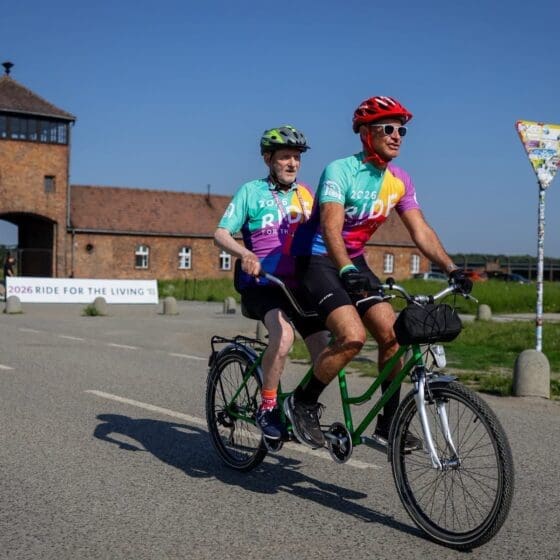
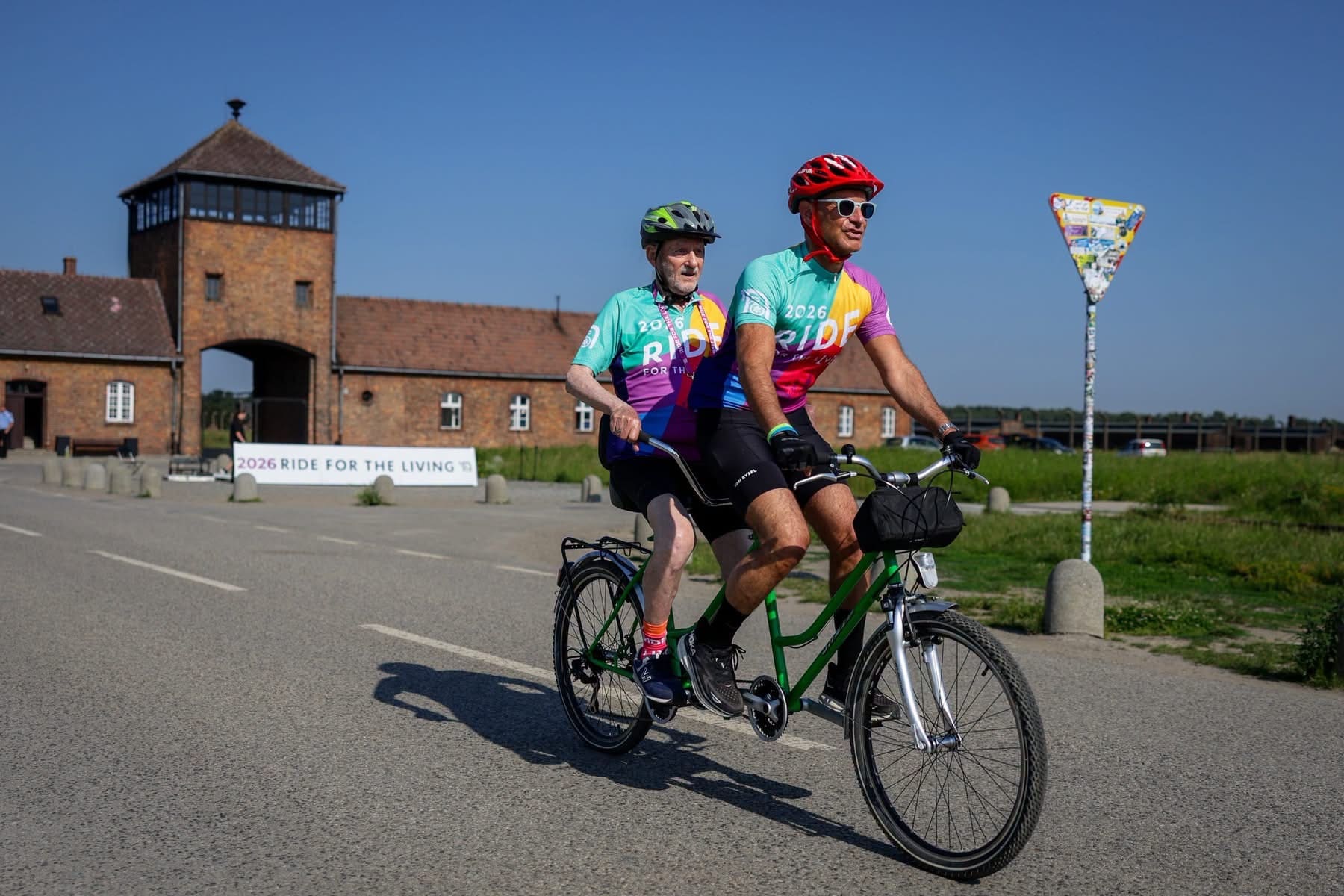
We also filmed the Ride for the Living, a symbolic bicycle journey from Auschwitz to JCC Kraków.
The journey from Auschwitz to Kraków becomes a powerful metaphor for the film: from destruction toward renewal, from silence toward remembrance, and from a vanished community toward a new generation determined to build Jewish life again.
JEWISH REVIVAL AND CONTEMPORARY ANTISEMITISM
The revival of Jewish life in Kraków exists alongside the persistence of antisemitism.
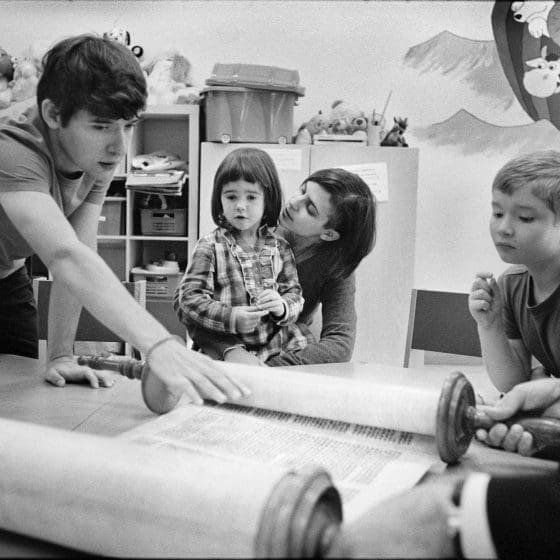
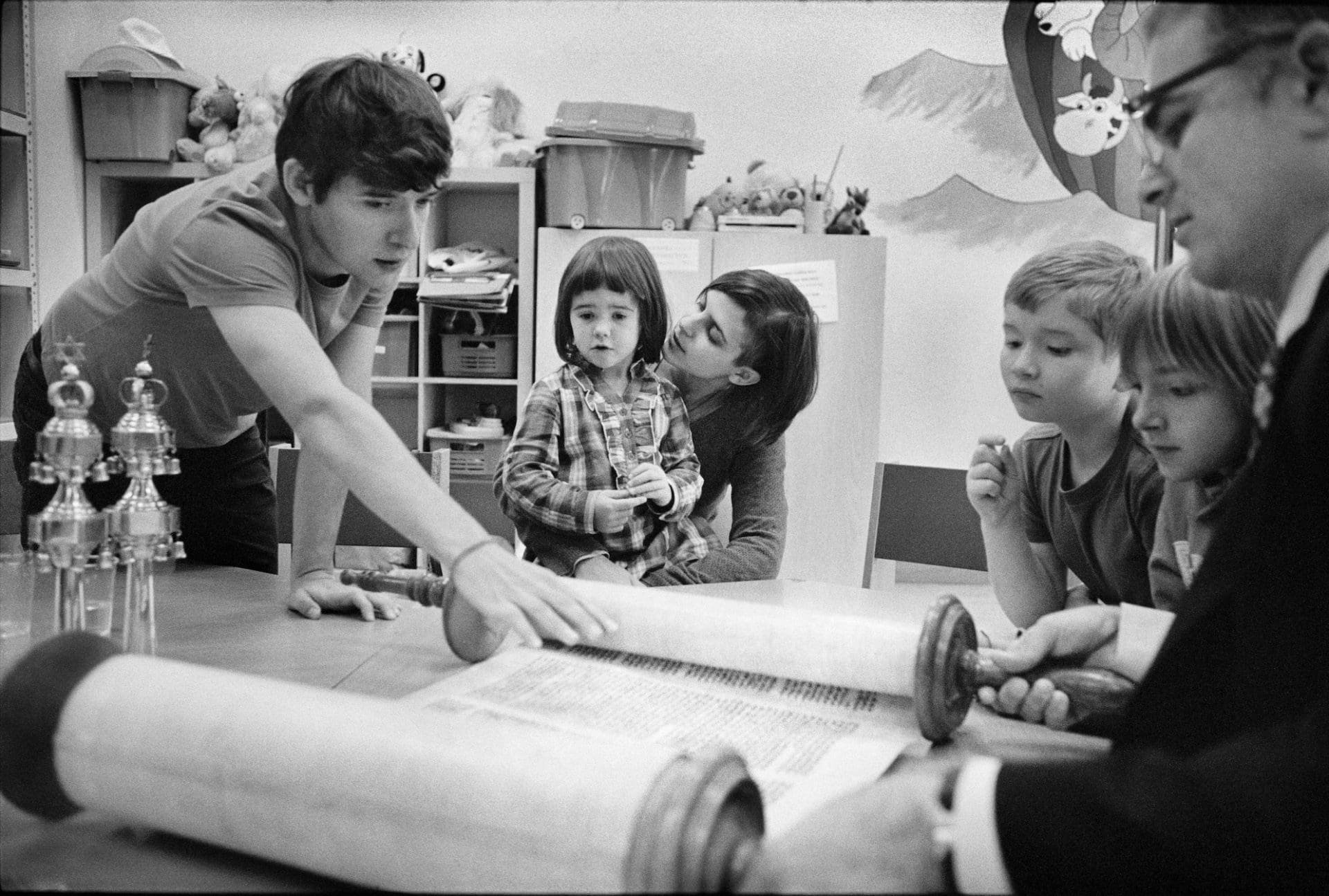
For decades, many Polish families concealed their Jewish origins because of fear, discrimination, social pressure, or assimilation. Today, young Polish citizens are increasingly doing the opposite: searching for their roots, learning about Judaism, participating in Jewish cultural and religious life, and openly embracing an identity that previous generations were forced to hide.
Yet antisemitic stereotypes and conspiracy theories remain present in parts of Polish society. Holocaust distortion and denial, nationalist rhetoric, hostility toward Jewish institutions, and antisemitic expressions online and in public discourse continue to challenge Jewish communities.
International conflicts can also trigger hostility toward local Jews who have no connection to the political decisions being debated. Social media has created new ways for antisemitic ideas and misinformation to spread rapidly.
For young Polish Jews, this creates a profound contradiction: they are reclaiming an identity that their families once hid while living in a world where being openly Jewish can still carry risks.
REBIRTH does not portray Poland as either entirely hostile or entirely welcoming. It explores the contradictions of contemporary Polish society, including the many people, institutions, educators, artists, and community leaders working to preserve Jewish heritage, confront antisemitism, and support Jewish revival.
The film asks:
What does it mean to be Jewish in Poland today?
Can Jewish culture truly flourish while antisemitism continues to exist?
Can the revival of Jewish life itself become a response to the forces that once attempted to erase it?
JCC KRAKOW AS A PLACE OF REFUGE
The film will also explore Kraków’s role as a refuge for more than 500,000 Ukrainian refugees since the beginning of the war. Through its humanitarian campaign, JCC Krakow has provided food, housing and essential supplies, as well as language and career support—serving people of all faiths, with particular attention to women, children, the elderly and disabled.
As the war continues, some refugees are choosing to make Kraków their permanent home, while others continue to arrive seeking safety. Their stories add another dimension to the film’s exploration of Kraków as a city where Jewish life has been reborn—and where the values of compassion, solidarity and refuge continue to shape its future.
ARTISTIC APPROACH
At its heart, REBIRTH is a story about people finding new meaning in traditions that were nearly lost.
The narrative moves between past and present, combining intimate observational scenes, interviews, archival footage, animation, special effects, and re-photography.
The Holocaust is the devastating historical absence against which the contemporary story unfolds, but the film focuses on what happens after destruction—when people decide to recover an identity that history attempted to erase.
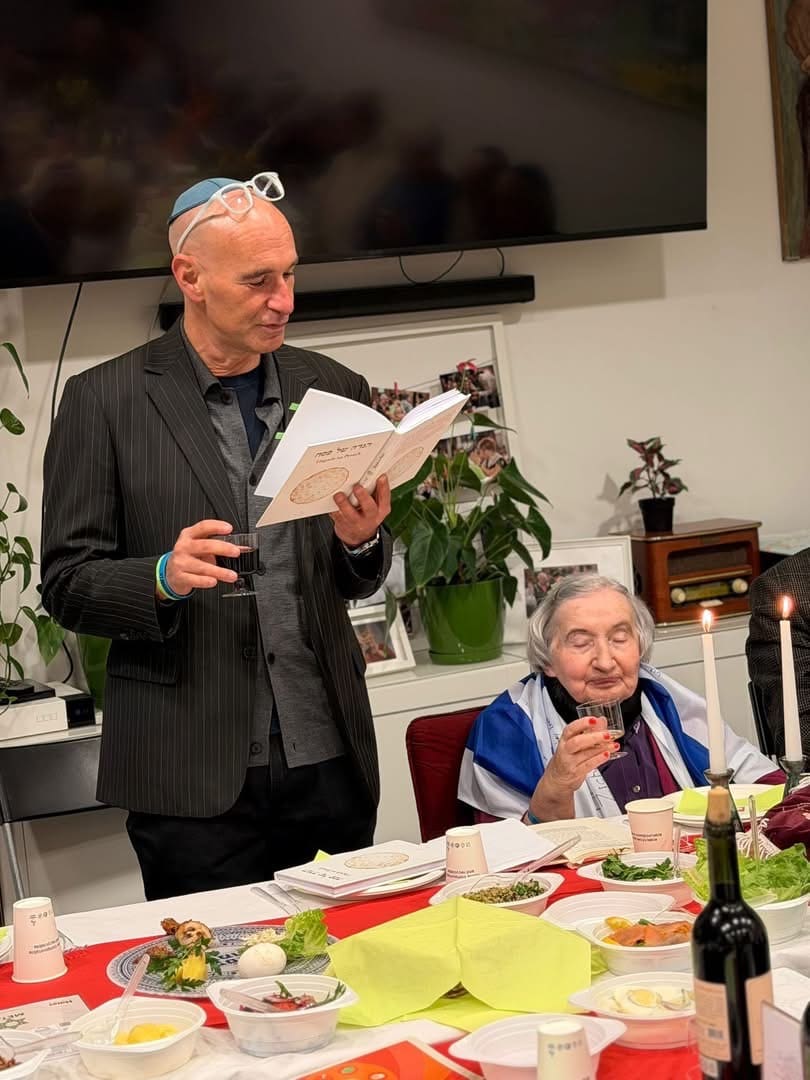
Jewish festivals, museums, cultural centers, synagogues, schools, and community organizations have become visible parts of Kraków’s landscape. Young people are learning Hebrew, celebrating Jewish holidays, studying Jewish history, and exploring their family roots.
Yet this cultural revival exists alongside antisemitism. The film examines how traditional prejudice can take new forms through nationalism, conspiracy theories, Holocaust distortion, online hate, and hostility toward Jews in response to events in Israel and the Middle East.
The film includes an interview with Deborah E. Lipstadt, renowned historian and scholar of Holocaust history and antisemitism, who served as the U.S. Special Envoy for Monitoring and Combating Antisemitism.
Archival material from the United States, Germany, and Poland includes photographs and previously unseen footage documenting prewar Jewish life in Kraków, the Kraków Ghetto, and the deportation of Jews to Auschwitz.
My previous films, including Karski & The Lords of Humanity and Still Life in Lodz, have used archival material, animation, special effects, and re-photography to create distinctive visual narratives. I am applying that experience to REBIRTH.
WHY ME TELLING THIS STORY
Although I live outside Poland, I have remained deeply connected to the Polish Jewish community. I have participated in dozens of Kraków Jewish Culture Festival events and have been one of the earliest members of JCC Kraków.
I have directed more than fifteen films dealing with Polish-Jewish history and relationships and have participated in hundreds of screenings throughout Poland.
These longstanding relationships have provided unusual access to people, institutions, archives, and locations central to this film, including JCC Kraków and the Jewish Culture Festival.
People interviewed for REBIRTH, including Janusz Makuch, Jonathan Ornstein, and Deborah E. Lipstadt, have longstanding knowledge of and respect for my work.
My experience working with film archives and museums around the world has also been invaluable in obtaining the historical materials necessary to tell this story.
AUDIENCE & DISTRIBUTION
Our goal is to bring REBIRTH to audiences through Jewish and international film festivals, theatrical and community screenings, television, streaming platforms, museums, universities, libraries, schools, Jewish organizations, and educational institutions.
The film has particular relevance for audiences interested in Jewish history, Holocaust memory, contemporary Jewish life, Poland, cultural identity, and the global rise of antisemitism.
LOGTV Films will lead the distribution effort, drawing upon its experience distributing documentary films to cinemas, television, libraries, schools, universities, and educational institutions.
The film is planned for completion in Fall 2026.
WHY THIS FILM IS IMPORTANT
REBIRTH explores a remarkable and largely overlooked phenomenon: the revival of Jewish life in Kraków, a city located only about 40 miles from Auschwitz.
The film examines the extraordinary resurgence of Jewish cultural, religious, and communal life while asking what happens when that revival takes place alongside continuing antisemitism.
It is a story about young people discovering their roots, rebuilding community, and reclaiming an identity that previous generations were forced to hide.
It is also a story about the universal human themes of identity, memory, belonging, cultural survival, prejudice, resilience, and hope.
The story of Jewish Kraków did not end with the Holocaust.
It continues—and a new generation is writing its next chapter.
EDUCATIONAL & COMMUNITY ENGAGEMENT
The film is intended not simply to be watched, but to become a starting point for discussion and learning.
Educational materials will explore Jewish identity, Holocaust memory, Jewish cultural heritage, contemporary antisemitism, Holocaust distortion and denial, prejudice, historical memory, and the rebuilding of Jewish communities.
Screenings will be accompanied, where possible, by discussions with filmmakers, participants, scholars, educators, and community leaders.
Our goal is to encourage meaningful dialogue about Jewish survival and identity—and about the responsibility of individuals and societies to recognize and confront antisemitism and other forms of hatred.
ADVISORY BOARD
(In Formation)
Dr. Michael Berenbaum — Director, Sigi Ziering Institute; former Project Director, United States Holocaust Memorial Museum; former President and CEO, Survivors of the Shoah Visual History Foundation
David Goldman, Esq. — Founder and Chair, FASPE
Barbara Kirshenblatt-Gimblett — Chief Curator, Core Exhibition, POLIN Museum of the History of Polish Jews
Dr. Annette Insdorf — Columbia University Film Professor and Author
David G. Marwell — Director Emeritus, Museum of Jewish Heritage—A Living Memorial to the Holocaust
Joanna Michlic — Honorary Senior Research Associate, University College London
Antony Polonsky — Emeritus Professor of Holocaust Studies, Brandeis University
Andrzej Rojek — Chairman, Jan Karski Educational Foundation
Rabbi Michael Schudrich — Chief Rabbi of Poland
Nancy Sinkoff — Academic Director, Allen and Joan Bildner Center for the Study of Jewish Life; Associate Professor, Rutgers University
Aviva Weintraub — Associate Curator and Director, New York Jewish Film Festival at the Jewish Museum
PRODUCERS
Slawomir Grünberg
Producer / Director
Slawomir Grünberg is an Emmy Award-winning documentary producer, director, cinematographer, and editor, born in Lublin, Poland, into a family with Jewish roots. A graduate of the Polish Film School in Łódź, he emigrated to the United States in 1981 and has directed and produced more than 50 documentaries.
His films explore social, environmental, historical, and political issues and have received the Cine Golden Eagle Award and numerous Grand Prix, Best Documentary, and Audience Awards.
His extensive work includes films dealing with Polish-Jewish history, the Holocaust, World War II, Jewish identity, and historical memory.
LOGTV, LTD.
Production Company
LOGTV, Ltd. is a nonprofit, tax-exempt 501(c)(3) public charity founded in 1999 by Slawomir Grünberg.
LOGTV researches, produces, and distributes educational documentary films and programming, with a particular emphasis on Jewish life and identity, Jewish history, World War II, and the Holocaust.
Judith B. Bass
Executive Producer
Judith B. Bass is an experienced entertainment lawyer and business affairs executive representing documentary filmmakers, producers, talent, writers, artists, and others in the creative community.
After visiting JCC Kraków in 2017, Judy became deeply committed to telling the story of the revival of Jewish life in Poland.
STATEMENT FROM THE FILMMAKER
I have spent much of my career documenting the complex and often painful history of Polish Jews. REBIRTH: THE UNEXPECTED STORY OF JEWISH KRAKÓW is different. It is a story about renewal, identity, and the future.
For more than seven years, I have followed young people in Kraków-including Zosia, Mateusz, Agi, and Kasia-as they rediscover their Jewish heritage and become part of a growing Jewish community centered around JCC Kraków and the Kraków Jewish Culture Festival.
Their stories reveal a remarkable transformation: they are not simply recovering a lost past-they are creating a new Jewish life in Poland. At the same time, the film confronts the realities of antisemitism and the complicated legacy of the Holocaust.
The story culminates in Ride for the Living, the symbolic journey from Auschwitz to Kraków-a powerful passage from a place of death toward a place where Jewish life is being rebuilt.
My long-standing connection to Kraków’s Jewish community has given me unique access and relationships of trust. As an Emmy Award-winning filmmaker, I have directed and produced more than 15 films about Polish-Jewish history and contemporary Jewish life.
The film brings together contemporary stories with rare archival images of Jewish Kraków before and during the Holocaust, creating a dialogue between a community that was destroyed and one being rebuilt today.
We are now in post-production and seeking approximately $50,000 to complete the film, including editing, archival licensing, sound, and color correction. We plan to complete and release the film in Fall 2026.
After documenting Jewish life that was lost, I find it deeply moving to document a generation choosing to remember, reconnect, and build a future.
I invite you to help us bring this story to audiences.
An 8-minute work-in-progress preview is available upon request.
Sławomir Grünberg
Director, REBIRTH: THE UNEXPECTED STORY OF JEWISH KRAKÓW
917-964-0715 | grunbergfilms@logtv.com | www.logtv.com
ARTICLES
Klezmer Music and Memory at a Festival Celebrating Jewish Life in Poland
By Marc Santora, The Warsaw Bureau Chief Of The New York Times. August 11, 2019
“Everywhere, there was music. Gentle lullabies and Yiddish folk songs, thumping Israeli hip-hop, and rousing celebratory tunes played by scores of Klezmer bands filled the ancient alleyways of Krakow, a Polish city that was once at the center of Jewish life in Europe.It was all part of the Jewish Culture Festival, a yearly event meant to celebrate the 1,000 years of Jewish life that had flourished in Poland before World War II, but had been erased by the Holocaust. Attracting about 30,000 visitors each summer and advertising itself as the largest Jewish festival in Europe, the event draws many Poles as well as internationally recognized performers. This year, though, it took place against a backdrop of increasing xenophobia and anti-Semitism in Poland and across Europe. Its organizers did not shy from the topic.”
“I was born in the world’s largest Jewish graveyard,” he said, referring to Poland. “But I cannot live my whole life in the legacy of death.” Janusz Makuch, the festival’s Director.